
Indian Aggression and the Ongoing Oppression of Kashmir: A Cycle of Imperialist Violence
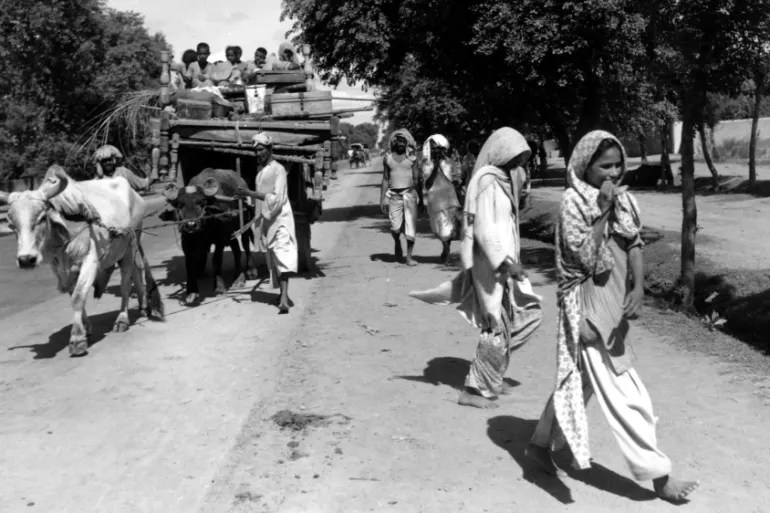
(Photo Credit: Max Desfor/AP Photo)
Written by Minhaj ul Arifeen
11th May 2025
On the night of May 7th India launched a provocative air assault, violating Pakistani airspace with fighter jets and drones, striking nine major cities under the pretext of neutralising alleged ‘terror cells.’ This narrative – eerily reminiscent of the justification used for the genocide in Palestine, thinly disguises an act of naked aggression. The result was devastating: several mosques and civilian homes were reduced to rubble, 31 people were killed and 60+ others wounded, further inflaming a conflict that has simmered since the 1948 outbreak of hostilities between India and Pakistan over Kashmir. What began as a post-Partition territorial dispute has metastasised into a prolonged campaign of militarised control, repression, and imperialist rivalry, fought over the bodies and futures of the Kashmiri people.
This recent attack is only the latest flashpoint in a broader struggle shaped by the ambitions of two neocolonial regimes, each vying for dominance in South Asia as proxies of Western imperialism. India and Pakistan – governed by bourgeois elites seeking favour with global capital, have weaponised nationalism, religion, and militarism to suppress internal dissent and consolidate power. Their mutual hostility serves a dual purpose: advancing strategic interests while distracting their populations from deepening domestic crises.
In Kashmir, this dynamic plays out with brutal clarity. Since 1947, the region has been carved into zones of occupation with both states enforcing military rule, political repression and systemic violence. Far from seeking peace, the Indian and Pakistani states manipulate the Kashmir conflict to foster war hysteria, inflame chauvinistic sentiment and smother legitimate demands for autonomy. Under Modi’s Hindutva-driven regime, India has intensified its occupation, pairing caste and communal violence with military campaigns such as Operation Kagaar, a counterinsurgency effort aimed at extinguishing indigenous resistance movements. Meanwhile Pakistan, a military-dominated state beholden to the United States faces its own collapse, from economic ruin to ethnic repression – most acutely against Pashtun and Baloch communities, while the devastation from the 2022 floods which displaced 33 million people remains shamefully unaddressed in favour of bloated defence spending.
The human cost of this imperialist competition has been catastrophic for Kashmiris. Since 1948, tens of thousands have been killed. Estimates range from 40,000 to over 100,000 people; encompassing civilians, militants and victims of enforced disappearances. Indian-administered Kashmir alone has documented over 8,000 enforced disappearances, as reported by the Jammu Kashmir Coalition of Civil Society (JKCCS). Mass graves containing more than 2,700 unidentified bodies have been unearthed, verified by Amnesty International. Torture, sexual violence, and extrajudicial killings are routine tools of state terror wielded by both Indian and Pakistani forces against a people denied their right to self-determination.
But Kashmir’s future cannot be negotiated through the lenses of Delhi or Islamabad. The path to justice lies not in compromise with imperialism, but in its dismantling. A genuine national liberation movement rooted in the aspirations of the Kashmiri people, independent of both Indian and Pakistani control and unaligned with imperialist blocs, is the only viable road to freedom. The immediate demilitarisation of the region, the withdrawal of all occupying forces, a truth and reconciliation process to reckon with decades of atrocities, and full sovereignty for Kashmir must be the foundation of any resolution. The struggle for Kashmir is not simply a territorial issue. It is a battle against occupation, imperialism, and for a liberated future built by the people themselves.
 The WCCA